Introduction to the Lively HSA Service
Health savings accounts (HSAs) have become a commonly discussed financial tool within the healthcare and personal finance landscape in the United States. Among the companies offering HSA administration services is Lively, a digital platform focused on managing and maintaining health savings accounts.
This Lively HSA service overview explores how the platform fits into the broader ecosystem of healthcare finance tools. Rather than functioning as a medical provider or insurance company, Lively operates as an HSA administrator that provides account management tools, payment features, and digital access for individuals who qualify for an HSA.
The service is designed to help users track healthcare spending, manage tax-advantaged savings related to medical expenses, and organize related documentation. As interest in consumer-directed healthcare accounts continues to grow, platforms like Lively represent a technology-focused approach to HSA management.
How Lively HSA Works
Understanding how Lively HSA works begins with the basic structure of a health savings account. HSAs are typically available to individuals enrolled in certain high-deductible health insurance plans (HDHPs). The account allows users to set aside funds that can be used for qualified healthcare expenses under applicable regulations.
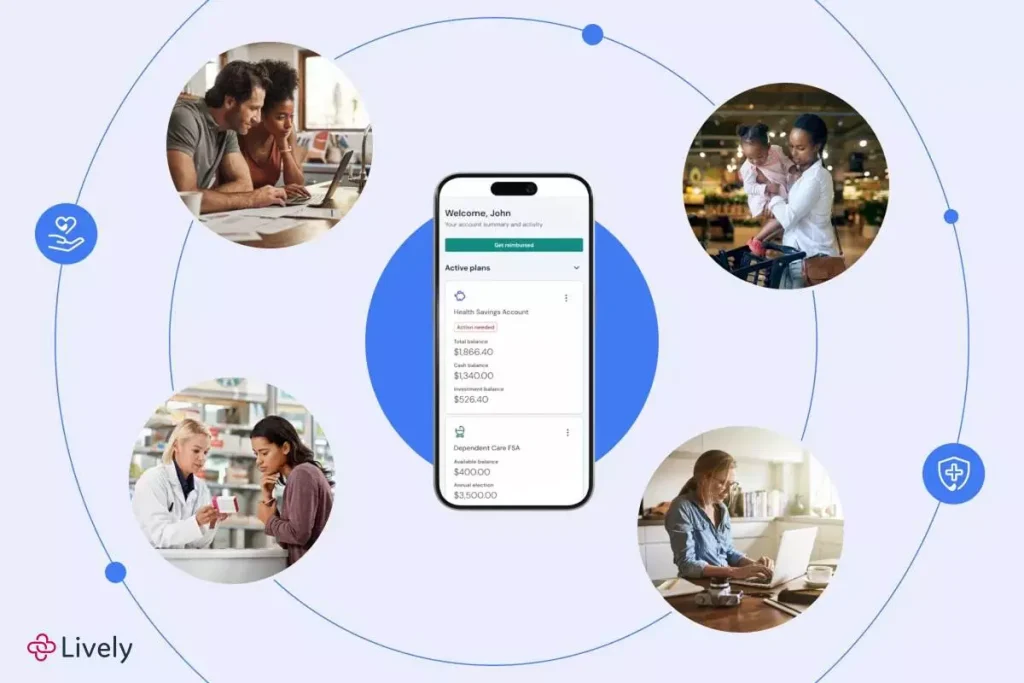
The Lively platform functions primarily as an account administrator and digital management interface. Through its online system, eligible users can open and manage an HSA account.
The general process typically includes several steps:
Account Setup
Individuals who meet eligibility requirements can open an HSA through the platform. This usually involves identity verification, linking a bank account for contributions, and selecting account settings.
Employers may also partner with HSA administrators to offer accounts as part of workplace benefits programs.
Contributions
Funds can be added to the account in several ways:
- Direct contributions from the account holder
- Payroll deductions through employer programs
- Transfers from other HSA providers (when applicable)
Contribution limits and eligibility rules are determined by government regulations and may change annually.
Expense Tracking
Once funds are in the account, users can use the platform to track healthcare-related expenses. Many digital HSA systems allow individuals to upload receipts, categorize transactions, and monitor balances through a web or mobile interface.
Payments and Reimbursements
Account holders can use HSA funds to pay for qualified healthcare expenses, depending on applicable rules. Platforms like Lively typically support payment methods such as debit cards or reimbursement requests.
These features aim to help users organize healthcare spending within one centralized account system.
Types of Users and Common Use Cases
A Lively HSA platform review often highlights several types of users who interact with the service.
Individual Account Holders
Individuals who independently enroll in a qualifying health insurance plan may open an HSA account to manage healthcare-related expenses. These users often rely on digital platforms to organize contributions and maintain documentation.
Employees with Employer-Sponsored Benefits
Many employers include HSAs as part of employee benefits packages. In these cases, the HSA provider acts as the account administrator while employees access the platform to monitor contributions and expenses.
Self-Employed Professionals
Freelancers and independent workers who use high-deductible health plans may also use HSA services. Digital account platforms can provide a centralized system for managing healthcare costs alongside other personal financial tools.
Families Managing Medical Expenses
Some account holders use HSAs to organize medical spending for dependents or family members covered under their health plan. Expense tracking features can help categorize healthcare costs over time.
These use cases reflect the growing adoption of HSAs as part of broader personal financial planning and healthcare management strategies.
Key Features and Service Elements
Although features vary across HSA administrators, several common elements appear in many Lively HSA service overview discussions.
Digital Account Dashboard
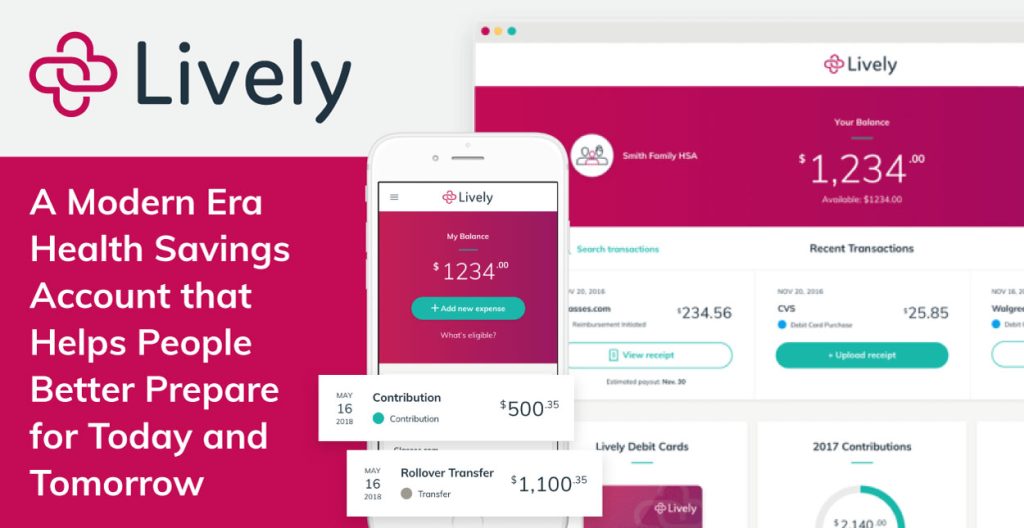
Users typically manage their accounts through an online dashboard. This interface may provide access to:
- Account balances
- Contribution history
- Expense records
- transaction summaries
A centralized dashboard can make it easier for account holders to review healthcare-related financial activity.
Expense Documentation Tools
Because HSAs are tied to qualified healthcare expenses, many platforms offer digital receipt storage or expense tracking tools. These tools allow users to upload documents and keep records organized.
Payment Methods
HSA administrators often provide debit cards linked directly to the account balance. This allows users to pay for eligible expenses without first paying out of pocket and requesting reimbursement.
Other options may include manual reimbursement transfers or online payment tracking.
Mobile Access
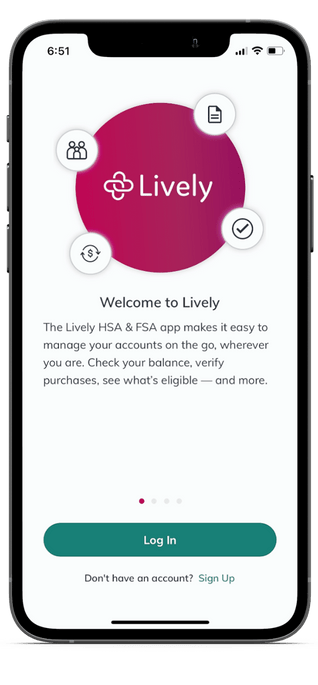
Many modern HSA services offer mobile applications or mobile-friendly websites. These tools allow users to check balances, upload receipts, or review transactions while on the go.
Mobile access reflects the broader trend toward digital-first financial service platforms.
Integration with Employer Benefits
For users enrolled through workplace programs, the platform may integrate with payroll systems to facilitate automated contributions or benefit administration.
Market Positioning in the HSA Industry
The health savings account sector includes banks, financial technology companies, and benefit administrators that offer account services to individuals and employers.
Within this landscape, Lively is generally positioned as a technology-focused HSA administrator that emphasizes digital account management and user-friendly interfaces.
Many HSA providers traditionally operated through banking institutions. In contrast, newer platforms often highlight streamlined account opening processes, modern dashboards, and mobile accessibility.
The broader market includes services designed for:
- Individual consumers
- Employer-sponsored benefits programs
- financial institutions offering healthcare savings accounts
As healthcare financing continues to evolve, digital HSA platforms have become part of the expanding ecosystem of consumer financial services.
Reference to Official Sources
Readers seeking more detailed or updated information about the platform can consult official sources associated with Lively.
Official brand channels typically include:
- The company’s official website
- Account documentation and user guides
- employer benefits materials
- customer support resources
These sources provide information about eligibility requirements, contribution limits, and platform features. Because HSA rules are subject to government regulations, official documentation can help clarify current policies and account guidelines.
Summary
This Lively HSA platform review highlights how digital account administrators play a role in helping individuals organize healthcare-related finances. By providing online dashboards, expense tracking tools, and payment options, HSA platforms aim to simplify the process of managing health savings accounts.
Understanding how Lively HSA works involves recognizing its role as an account administrator rather than a healthcare provider or insurance company. The platform offers digital tools that help users monitor contributions, track qualified expenses, and manage account activity.
As healthcare finance continues to intersect with digital financial technology, HSA management services represent one example of how online platforms are reshaping the way consumers interact with specialized financial accounts.