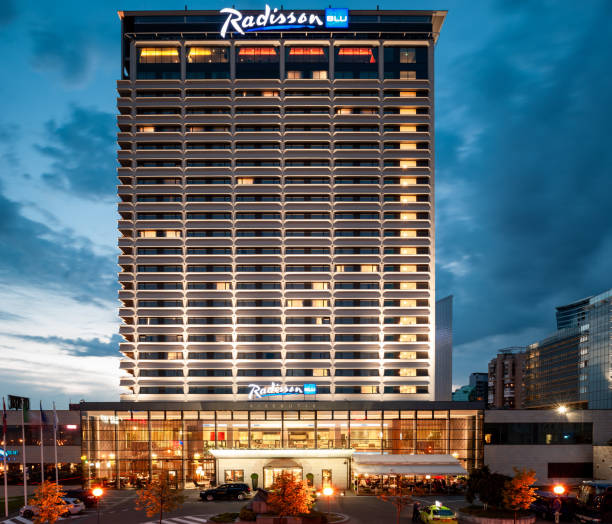
Introduction to Radisson Hotels
Within the global travel and hospitality industry, Radisson Hotels represents a well-known hotel brand operating across numerous countries and regions. The company is part of the broader Radisson Hotel Group, which manages several hospitality brands ranging from upscale hotels to lifestyle-oriented accommodations.
This Radisson Hotels service overview explores how the brand operates within the travel services sector. While hotels are commonly associated with tourism and leisure, they also function as a consumer service platform that connects travelers with accommodation, event spaces, and hospitality services.
Radisson Hotels properties are typically located in major cities, business districts, and popular travel destinations. The brand focuses on providing lodging services for a variety of travelers, including business guests, leisure visitors, and group events.
This article provides an informational look at how Radisson Hotels works, including its booking structure, service offerings, and positioning within the global hospitality market.
Overview of How Radisson Hotels Works
Understanding how Radisson Hotels works begins with the company’s role as a hotel operator and hospitality brand. Individual Radisson properties may be owned or franchised, while the brand provides standards, reservation systems, and service frameworks across locations.
Reservation and Booking Systems
Guests can typically book accommodations through several channels, including:
- Official brand websites and mobile platforms
- Travel booking platforms and online travel agencies
- Corporate travel programs
- Direct reservations through individual hotels
Reservations generally include room selection, dates of stay, and optional services such as breakfast packages or meeting room bookings.
Check-In and Stay Experience
After booking a reservation, guests typically check in at the hotel property either in person or, in some cases, through digital check-in options offered by participating locations.
During the stay, guests may have access to services such as:
- Guest rooms and suites
- On-site dining options
- fitness centers and leisure amenities
- concierge or front desk support
Services vary by property and location, reflecting differences in local markets and hotel categories.
Loyalty and Membership Programs
Many hotel brands operate loyalty programs that allow guests to earn points or benefits when staying at participating properties. Within the Radisson ecosystem, the loyalty system is associated with Radisson Rewards.
Membership programs are designed to track guest stays, provide recognition for frequent travelers, and offer various service features depending on participation level.
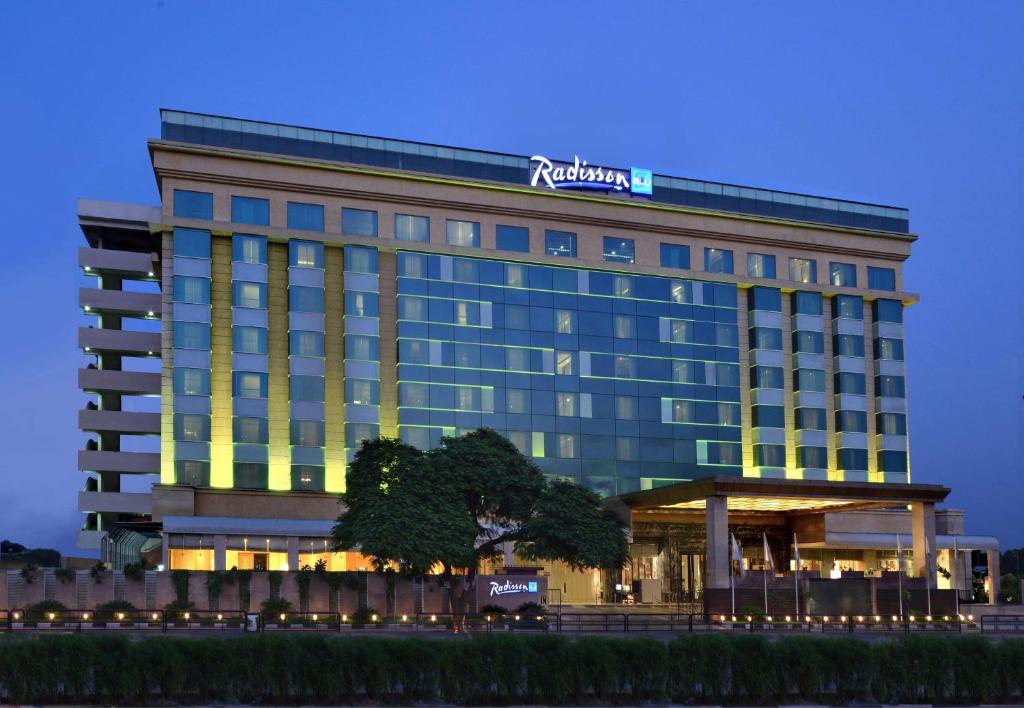
Types of Users and Common Use Cases
A typical Radisson Hotels platform review highlights several categories of travelers who use the brand’s services.
Business Travelers
Many Radisson Hotels properties are located in urban centers or near transportation hubs, making them a common choice for corporate travel. Business travelers may use hotel services such as:
- meeting rooms
- conference facilities
- work-friendly guest rooms
- business centers
Hotels in this category often support corporate travel programs and company bookings.
Leisure Travelers
Vacation travelers represent another major user group. Leisure guests may choose Radisson properties in destinations such as:
- city tourism areas
- beach or resort regions
- cultural or historic destinations
These travelers may prioritize amenities like dining options, comfortable rooms, and proximity to attractions.
Event and Conference Organizers
Many Radisson properties provide event spaces designed for conferences, seminars, weddings, or social gatherings. Event planners may use these venues for:
- corporate meetings
- professional conferences
- private celebrations
Hotels often provide event coordination services to support these gatherings.
International Travelers
Because the brand operates globally, Radisson Hotels frequently serve international visitors seeking accommodation that follows recognizable brand standards across multiple countries.
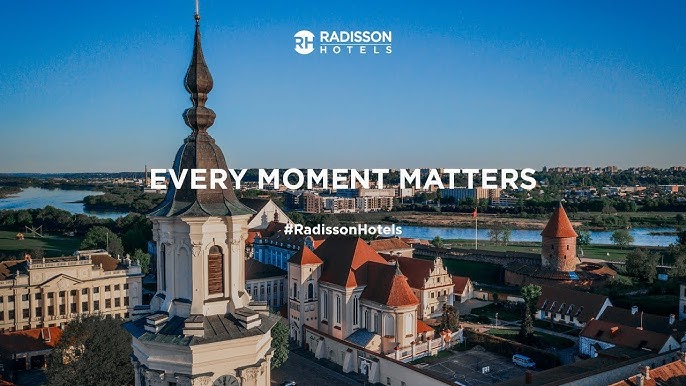
Key Features and Service Elements
A Radisson Hotels service overview typically includes several service components that form the core of the hospitality experience.
Global Hotel Network
Radisson Hotels operates within a network of properties spread across many regions. This global presence allows travelers to find accommodations in multiple destinations while interacting with a consistent brand structure.
The broader Radisson Hotel Group includes several brands such as Radisson Blu, Radisson RED, and Park Inn by Radisson, each designed for different travel styles and market segments.
Guest Accommodation
At the center of the service model are hotel rooms and suites. Rooms typically include:
- sleeping accommodations
- workspace areas
- bathrooms and amenities
- internet access
Room types vary depending on the property category, ranging from standard rooms to larger suites.
Dining and Hospitality Services
Many Radisson Hotels properties include restaurants, lounges, or breakfast areas where guests can access meals and beverages during their stay.
Some locations also provide:
- room service
- coffee bars or casual dining spaces
- event catering services
Dining options often reflect both international menus and local cuisine.
Meeting and Event Facilities
Hotels frequently include conference rooms, banquet halls, or flexible meeting spaces. These facilities are designed to accommodate both professional and social events.
Event services may include audiovisual equipment, seating arrangements, and catering coordination.
Digital and Mobile Tools
Modern hotel brands increasingly provide digital features that allow guests to manage reservations, check in, or review booking details online. These tools are part of the broader effort to integrate hospitality services with digital travel planning platforms.
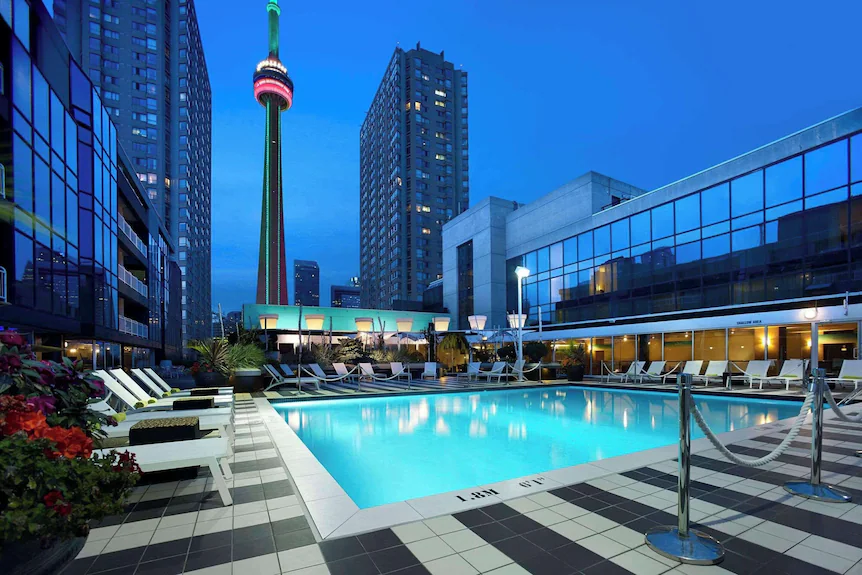
Market Positioning in the Hospitality Industry
Within the global hospitality sector, Radisson Hotels is generally positioned as an upper-midscale to upscale hotel brand. Its properties often emphasize comfort, professional service, and convenient locations for both business and leisure travel.
The broader hotel industry includes many well-known global brands. Radisson operates alongside other international hospitality companies that manage hotel networks across multiple continents.
The brand’s positioning focuses on:
- global brand recognition
- urban and travel hub locations
- business and event services
- full-service hotel experiences
Because the hospitality sector includes multiple tiers—from budget lodging to luxury resorts—Radisson Hotels typically occupy a segment aimed at travelers seeking a balance of service amenities and accessibility.
Reference to Official Sources
Readers interested in learning more about the brand can explore official information published by Radisson Hotel Group and related hospitality resources.
Official sources may include:
- the Radisson Hotels website and booking platform
- corporate hospitality reports
- property-specific hotel websites
- travel industry publications
These sources often provide details about hotel locations, amenities, brand standards, and loyalty programs such as Radisson Rewards.
Because hotel services and amenities can vary by property and location, official brand channels remain the most reliable place to find up-to-date information.
Summary
This Radisson Hotels platform review provides a general look at how the global hospitality brand operates within the travel services sector. As part of the Radisson Hotel Group, Radisson Hotels manages accommodations, event facilities, and hospitality services across numerous international destinations.
Understanding how Radisson Hotels works involves recognizing its role as a hotel brand that connects travelers with lodging and related services. Guests typically interact with the brand through reservation platforms, on-site hotel experiences, and loyalty programs designed to support repeat stays.
In the broader hospitality market, Radisson Hotels contributes to a network of travel services that support tourism, business travel, and global mobility.