Introduction to Bangkok Airways
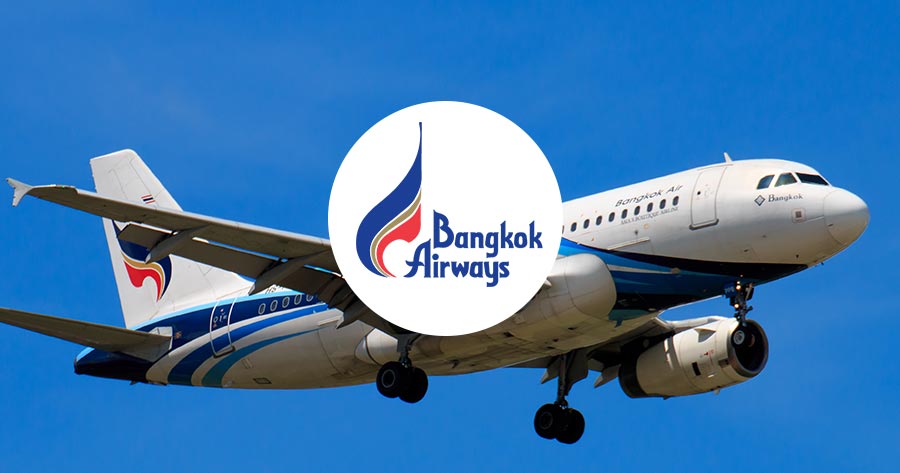
In the aviation and travel services sector, Bangkok Airways is known as a regional airline based in Thailand that connects travelers to destinations across Southeast Asia and surrounding regions. Founded in 1968 and headquartered in Bangkok, the airline operates scheduled passenger flights and related travel services while also managing several airports within Thailand.
This Bangkok Airways service overview explores how the airline functions as a transportation and hospitality service provider. Airlines play an important role in the broader consumer services ecosystem by enabling domestic and international travel while connecting passengers with destinations for business, tourism, and personal trips.
Bangkok Airways is often described as a “boutique airline,” reflecting its focus on passenger experience, regional routes, and service-oriented travel offerings. Through its flight network, airport services, and loyalty programs, the company contributes to regional connectivity and tourism infrastructure.
Overview of How Bangkok Airways Works
Understanding how Bangkok Airways works involves looking at the airline’s operational structure and passenger journey. Like most commercial airlines, the company provides scheduled flights between cities, allowing passengers to travel by air while accessing related services such as check-in, baggage handling, and in-flight amenities.
Flight Booking and Reservations
Passengers typically begin the process by booking a flight through available reservation channels. These may include:
- The airline’s official website or mobile platform
- Online travel agencies and booking platforms
- Travel agents and tour operators
- Airport ticket counters
Booking a flight generally involves selecting travel dates, departure and destination airports, seat classes, and optional services such as baggage allowances or seat preferences.
Check-In and Pre-Flight Services
After booking, travelers must complete the check-in process prior to boarding. This step can often be done online through the airline’s digital platforms or in person at the airport.
Check-in typically includes:
- Confirming passenger details
- Receiving a boarding pass
- Checking baggage for transport
- Passing through airport security and immigration procedures where applicable
Some airports served by Bangkok Airways also include lounges or designated waiting areas for passengers before departure.
Boarding and Flight Experience
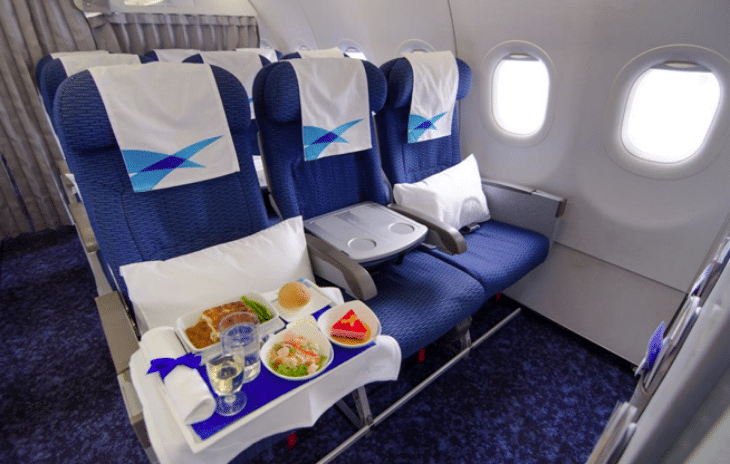
Passengers board the aircraft according to the boarding procedures established for each flight. During the journey, airlines typically provide services such as seating, cabin crew assistance, and onboard refreshments depending on the route and flight duration.
Arrival and Post-Flight Services
Upon arrival at the destination airport, passengers collect checked baggage and continue through local entry procedures if the flight is international. From there, travelers proceed to their onward destination using local transportation or connecting flights.
Types of Users and Common Use Cases
A typical Bangkok Airways platform review highlights several groups of travelers who use the airline’s services.
Leisure Travelers
Many passengers use the airline for tourism-related travel. Southeast Asia is a major global tourism region, and Bangkok Airways connects travelers to destinations such as island resorts, cultural cities, and regional vacation areas.
Leisure travelers may use the airline when planning trips that include:
- beach destinations
- cultural tourism experiences
- regional sightseeing routes
Business Travelers
Regional air routes are often used by professionals traveling between major economic centers. Business travelers may rely on airline services to reach cities for meetings, conferences, or corporate visits.
These passengers may prioritize:
- convenient flight schedules
- access to airport lounges
- efficient check-in processes
International Visitors
Travelers arriving in Southeast Asia often use regional airlines to continue their journey after landing at major international airports. Bangkok Airways frequently operates routes connecting international gateways with smaller destinations.
Domestic Travelers
In addition to international passengers, the airline serves travelers within Thailand who need to move between cities or tourism regions more quickly than ground transportation might allow.
Key Features and Service Elements
A Bangkok Airways service overview typically includes several features that distinguish the airline within the regional aviation market.
Regional Route Network
The airline operates flights connecting Thailand with neighboring countries and popular travel destinations across Southeast Asia. Routes often link major airports with smaller regional hubs.
Some destinations include resort areas, island locations, and cities known for tourism or business travel.
Airport Operations
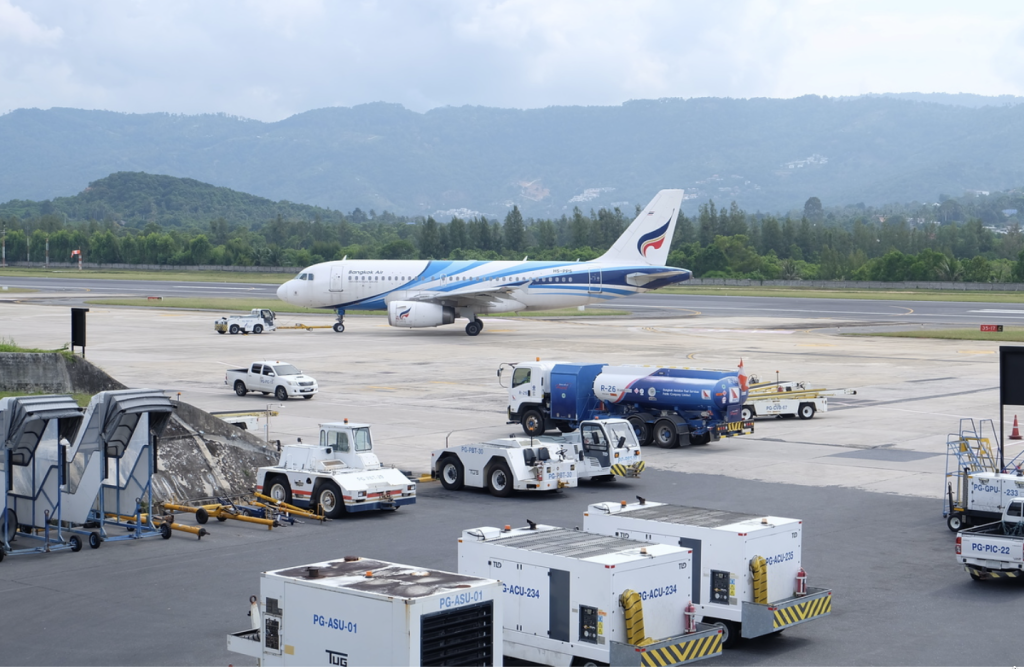
An unusual aspect of the airline’s structure is that it also owns and operates certain regional airports. This arrangement allows the company to support travel infrastructure in locations that might otherwise have limited aviation services.
Airport operations may include passenger terminals, runways, and support services for airline flights.
Passenger Lounge Access
One feature frequently mentioned in Bangkok Airways platform review discussions is the airline’s passenger lounge concept. Some airports offer lounge access for travelers waiting for flights, providing seating areas, refreshments, and a quiet environment before boarding.
Loyalty Program
Like many airlines, Bangkok Airways operates a frequent flyer program called FlyerBonus. Loyalty programs typically allow passengers to accumulate points or rewards based on travel activity.
These programs may offer recognition benefits or travel-related perks depending on membership levels and participation.
In-Flight Service
Airlines commonly provide a variety of in-flight services depending on the flight duration and aircraft configuration. These may include seating options, onboard refreshments, and cabin crew assistance.
Service levels may differ based on route length, aircraft type, and passenger class.
Market Positioning in the Aviation Industry
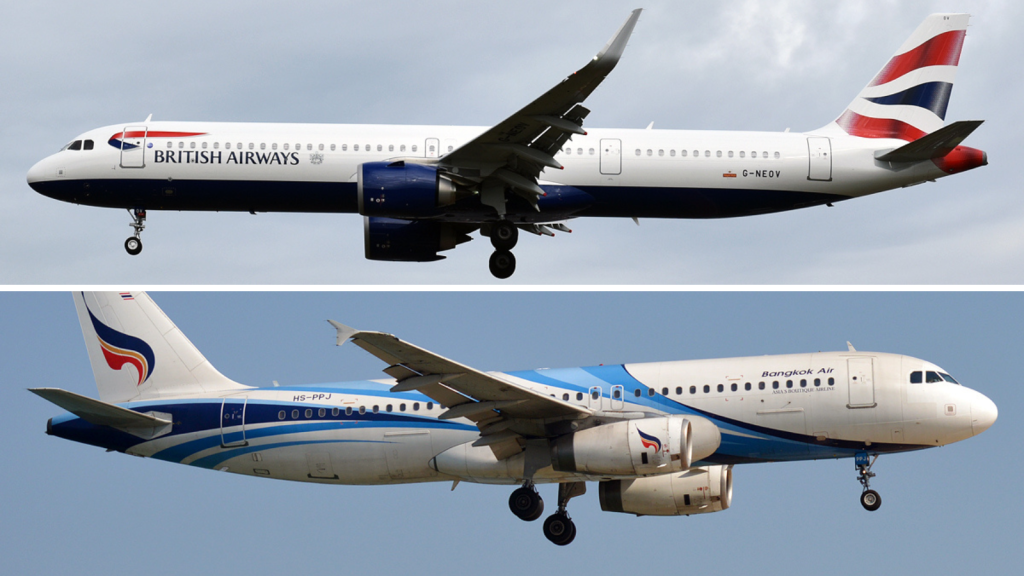
Within the aviation sector, Bangkok Airways is often positioned as a regional boutique airline rather than a large global carrier. This positioning reflects its emphasis on smaller route networks, passenger experience, and specialized destinations.
The airline industry includes several different business models, such as:
- full-service international carriers
- low-cost airlines
- regional airlines serving specific geographic areas
Bangkok Airways operates within the regional and full-service segment, focusing on routes that connect major travel hubs with leisure destinations.
Its operations also support tourism flows within Thailand and surrounding countries, which play a significant role in the regional economy.
Reference to Official Sources
Readers who want to explore more information about the airline can consult official materials provided by Bangkok Airways.
Official sources typically include:
- the airline’s official website
- flight schedules and booking systems
- loyalty program details for FlyerBonus
- customer service resources and travel guidelines
These channels provide the most current information about flight routes, travel policies, baggage allowances, and other operational details.
Travelers should refer to official airline resources when planning trips to ensure they have accurate and up-to-date information.
Summary
This Bangkok Airways service overview highlights how the airline functions within the broader travel and aviation services industry. As a regional carrier based in Thailand, the company connects travelers with destinations throughout Southeast Asia while offering services that support tourism, business travel, and domestic mobility.
Understanding how Bangkok Airways works involves recognizing its role in managing flights, airports, and passenger services that enable air travel across the region. Through its route network, airport infrastructure, and loyalty program, the airline contributes to transportation connectivity within one of the world’s most active travel markets.
For travelers exploring regional flight options, airline platforms like Bangkok Airways represent an important part of the infrastructure that supports international tourism and cross-border mobility.